
When Should a Woman See a Gynecologist for the First Time?
Many women delay their first visit to a gynecologist longer than they should.
Sometimes it is because they feel shy. Sometimes they think the problem is too small to mention. And sometimes they keep waiting because they hope things like painful periods, irregular cycles, unusual discharge, pelvic pain, or trouble getting pregnant will settle on their own.
This is very common.
A first visit to a gynecologist does not always mean there is a serious problem. In many cases, it is simply the right step when something feels unusual, confusing, or uncomfortable. It is also a chance to ask questions that many women keep in their mind for months, and sometimes for years.
The first visit is usually much simpler than most women imagine.
The Short Answer
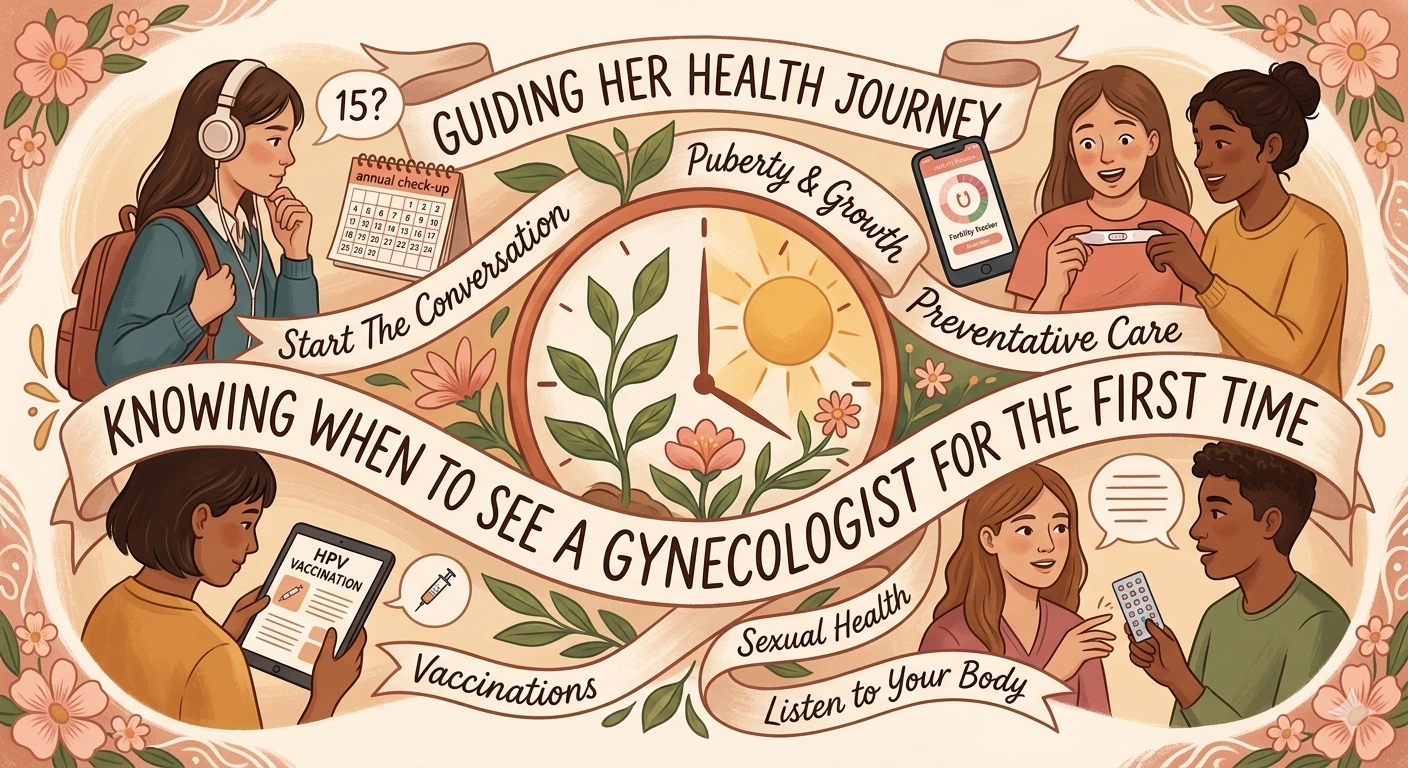
A woman should see a gynecologist for the first time when she has period problems, pelvic pain, unusual discharge, pregnancy-related concerns, difficulty conceiving, or any change that does not feel normal for her body. Even if the problem is not severe, an early visit can bring reassurance, clarity, and timely treatment when needed. Consult Dr. Sajida Guftaar to book your appointment.
Many Women Delay Their First Gynecology Visit
For many women, the first gynecology visit is delayed not because they do not need help, but because they feel unsure, uncomfortable, or hesitant.
Some feel embarrassed discussing private symptoms. Some worry they will be judged. Some think they should only see a gynecologist after marriage, during pregnancy, or when the problem becomes very serious. Others try home remedies first, ask family members, or keep searching online instead of speaking to a doctor directly.
But gynecology is not only about pregnancy and delivery.
A gynecologist helps women with many different concerns, including period problems, hormonal imbalance, pelvic pain, ovarian cysts, fibroids, fertility concerns, vaginal infections, menopause symptoms, and other issues that affect daily comfort and overall health.
The earlier a woman understands what is happening in her body, the easier it often becomes to deal with the problem properly.
Sometimes what a woman thinks is “normal for me” may actually need attention. In other cases, the problem may be less serious than she fears. Either way, a consultation brings clarity.
What Symptoms Mean It Is Time to Book an Appointment
A woman does not need to wait for a major emergency before seeing a gynecologist. Many common problems are good reasons to book a visit.
Common signs that should not be ignored
You should consider seeing a gynecologist if you have:
- periods that are very irregular
- very heavy bleeding
- severe pain during periods
- bleeding between periods
- persistent pelvic pain
- unusual vaginal discharge
- itching, irritation, or bad smell
- missed periods without a clear reason
- difficulty getting pregnant
- pain during intercourse
- concerns related to pregnancy
- spotting or bleeding during pregnancy
- an ultrasound or report showing a fibroid, cyst, or another gynecological issue
- menopause symptoms that are disturbing daily life
Sometimes the issue is not dramatic, but it keeps returning. That alone is a good enough reason to get it checked.
For example, if your periods are regularly delayed, if your pain is getting worse, or if discharge keeps returning despite treatment, it is better to stop guessing and get a proper opinion.
Women should also see a gynecologist when symptoms begin affecting daily life. Missing work, feeling weak during periods, losing sleep because of pain, avoiding outings, or feeling constant stress about fertility or pregnancy are all valid reasons to seek help.
Is It Necessary to Visit If You Are Not Married or Not Pregnant?
This is one of the most common misunderstandings.
A woman does not need to be married, pregnant, or planning a baby to see a gynecologist.
A gynecologist looks after women’s reproductive health in general, not only pregnancy care. So if a teenage girl, young woman, or unmarried woman is facing problems like severe period pain, irregular cycles, unusual discharge, hormonal concerns, or symptoms suggestive of PCOS, she can absolutely visit a gynecologist.
In fact, early consultation often prevents months or even years of confusion.
Some girls grow up thinking painful periods are something they simply have to bear. Some assume delayed cycles are always due to stress. Some ignore excessive facial hair, acne, weight changes, or repeatedly missed periods without realizing these may point toward a hormonal issue such as PCOS.
Getting checked does not mean something serious is definitely wrong. It simply means the body is asking for attention.
What Usually Happens in a First Gynecology Consultation
Many women feel nervous about the first visit because they do not know what to expect. In reality, the first consultation usually begins with a conversation.
The doctor may ask about
- your age
- your periods and cycle pattern
- pain, bleeding, or discharge
- whether you are married
- whether you are trying to conceive
- previous pregnancies or miscarriages
- old reports, scans, or medicines
- symptoms such as weight gain, acne, hair fall, pelvic pain, or weakness
This discussion is very important because it often gives the doctor most of the clues needed to understand the problem.
What happens next depends on the reason for the visit
Sometimes the doctor may advise tests, ultrasound, or treatment based on the history. Sometimes examination is needed, but not in every case and not always in the way women fear.
In many situations, especially where the issue is related to periods, hormonal imbalance, fertility, or scan findings, the visit may mainly involve discussion, review of symptoms, and planning the next step.
The first appointment is often less about procedures and more about understanding the problem properly.
That is why women should not avoid the visit simply because they are nervous about what might happen.
What Reports or Details Should You Bring With You?
You do not need to prepare perfectly for your first visit, but a few simple things can help a lot.
Useful things to bring
- previous ultrasound reports
- blood test reports
- old prescriptions
- a list of current medicines
- recent period dates
- pregnancy test results, if relevant
- details of pain, discharge, or bleeding if the problem keeps returning
- any previous fertility treatment records
If you do not have written records, that is still completely fine.
Even just remembering when your last period came, whether your cycle is usually regular, how long bleeding lasts, whether pain is increasing, or how long you have been trying to conceive can help the doctor a great deal.
It also helps to write down your questions
Many women forget important details once they sit in front of the doctor, especially if they are nervous.
A few notes on your phone or a small piece of paper can make the consultation much easier.
You may want to note questions like:
- Is my cycle normal?
- Do I need an ultrasound?
- Could this be PCOS?
- Why am I not getting pregnant?
- Is this discharge a sign of infection?
- Should I be worried about this pain?
Can You Visit a Gynecologist Even If the Problem Feels Small?
Yes, and in many cases that is actually the best time to go.
Women often wait until symptoms become severe before seeking help. But early problems are usually easier to understand and manage than problems that have been ignored for a long time.
Small symptoms can still matter
For example:
- mild irregular periods may later become a longer-term hormonal issue
- manageable heavy bleeding may later lead to weakness or low iron
- recurring discharge may keep returning without proper evaluation
- delayed fertility workup may waste important time
- pelvic pain that comes and goes may later become more disruptive
A first consultation is not only for serious illness. It is also for guidance, reassurance, and early advice.
Sometimes one visit is enough to clear up confusion. Sometimes it leads to treatment. Sometimes it simply tells the patient that the problem needs observation, not panic.
That clarity itself is valuable.
When Should a First Visit Be Urgent?
Some situations should not be delayed.
Seek urgent gynecological review if there is
- very heavy bleeding
- bleeding during pregnancy
- severe lower abdominal or pelvic pain
- faintness or extreme weakness with bleeding
- fever with pelvic pain or discharge
- sudden severe pain with vomiting
- concerning bleeding after menopause
- severe pain or bleeding after a positive pregnancy test
These situations do not always mean something dangerous is happening, but they do need timely medical attention.
Women often ignore urgent warning signs because they hope the problem will settle on its own. Sometimes it does, but sometimes waiting only makes treatment more difficult.
If the bleeding is unusually heavy, if the pain is sharp and severe, or if symptoms are happening during pregnancy, it is better not to delay consultation.
What If You Feel Shy or Nervous?
This is completely normal.
A large number of women feel hesitant before their first gynecology visit. Some do not know how to explain their symptoms. Some worry they will be judged. Some are simply not used to discussing personal health issues openly.
But there is nothing unusual about feeling this way.
A gynecologist sees these concerns every day. The problems that feel embarrassing to a patient are often very routine in clinical practice. What matters most is not saying everything perfectly. What matters is starting the conversation.
A few things can make the visit easier
- write your symptoms before coming
- bring your old reports
- note your period dates
- come with a trusted family member if that makes you more comfortable
- tell the doctor at the start that you feel nervous
Even saying, “I am feeling shy, so I may not explain properly,” is enough. A caring doctor will guide the discussion from there.
For many women, the hardest part is just the first few minutes. Once they begin talking, the fear becomes much less.
A First Visit Can Prevent Months of Confusion
One of the biggest benefits of a first gynecology visit is not only treatment. It is understanding.
Many women live with unanswered questions for a long time:
- Is my cycle normal?
- Is this pain something to worry about?
- Why are my periods delayed?
- Do I have a hormonal problem?
- Should I get tested for infertility now or wait?
- Is this discharge normal or not?
- Does this scan result need treatment?
Instead of carrying that uncertainty for months, one consultation can often create a clear path forward.
Sometimes the answer is simple reassurance. Sometimes it is a scan or blood test. Sometimes it is treatment. But in every case, the patient is no longer stuck in guesswork.
That is why women should not think of the first gynecology visit as a last resort.
It is often the beginning of better understanding, timely care, and peace of mind.
Faq's
At what age should a woman first see a gynecologist?
There is no single fixed age for everyone. The right time is when a girl or woman starts having period problems, pelvic pain, hormonal concerns, unusual discharge, pregnancy-related issues, or any reproductive health question that needs medical guidance.
Can I see a gynecologist only for irregular periods?
Yes. Irregular periods are one of the most common reasons women book a gynecology appointment. Even if the issue seems small, it is worth understanding the cause.
Do I need an examination at the first visit?
Not always. Many first visits begin with history, symptoms, reports, and discussion. What happens next depends on the problem.
Can I bring someone with me?
Yes. If it helps you feel more comfortable, you can bring a trusted family member or companion.
What if I feel too shy to explain properly?
That is very common. You can write your symptoms beforehand or simply tell the doctor that you are feeling nervous.
Final Thoughts
If something about your cycle, pain, discharge, fertility, pregnancy, or general reproductive health does not feel normal, you do not need to keep waiting for it to become worse.
A first gynecology visit is not only for emergencies. It is also for questions, reassurance, and early guidance. Many women feel relieved after finally coming in, not because every symptom turns out to be serious, but because they stop carrying uncertainty alone.