
World Menopause Day (October 18): Breaking the Silence Around Menopause and Supporting Women’s Health
Every year on October 18, World Menopause Day is observed globally to raise awareness about menopause, reduce stigma, and encourage better healthcare support for women during midlife. The day was established by the International Menopause Society (IMS) to improve understanding of menopause and highlight the importance of education, research, and healthcare support for women worldwide.
Menopause is a natural stage of a woman’s life, but many women still hesitate to discuss the physical, emotional, and hormonal changes they experience during this transition.
As a gynecologist, I believe menopause should not be considered something women need to silently tolerate. It is a normal biological phase that deserves awareness, understanding, and proper medical guidance.
Every woman experiences menopause differently. Some women may have mild symptoms, while others may experience changes that affect their sleep, mood, daily activities, and overall quality of life.
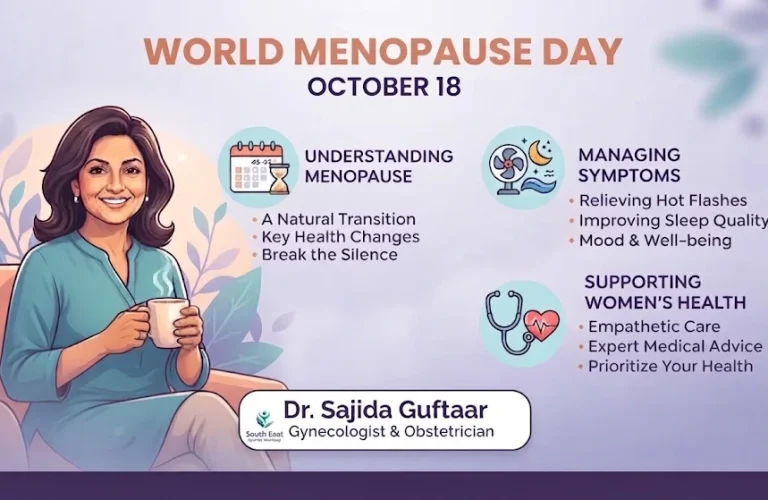
World Menopause Day gives us an opportunity to start open conversations and remind women that they do not have to face these changes without support.
What Is World Menopause Day and Why Is It Important?
World Menopause Day is celebrated every year on October 18. It focuses on educating women about menopause, reducing misconceptions, and improving access to reliable healthcare information.
The International Menopause Society’s World Menopause Day resources highlight the importance of awareness, education, and better healthcare approaches for women experiencing menopause.
- The main goals of World Menopause Day include:
- Creating awareness about menopause and perimenopause
- Breaking myths and stigma surrounding menopause
- Encouraging women to seek professional medical advice
- Improving understanding of menopause symptoms
- Supporting better healthcare for midlife women
Menopause is not just about the end of menstrual cycles. It is a stage where women may experience important changes in their hormonal health and overall wellbeing.
Understanding Menopause: A Natural Transition in a Woman’s Life
Menopause occurs when menstrual periods permanently stop due to changes in ovarian hormone production.
Before menopause, many women experience perimenopause, a transition phase where hormone levels fluctuate and symptoms may gradually appear.
During this stage, women may notice changes related to:
- Hormonal balance
- Menstrual patterns
- Sleep quality
- Emotional wellbeing
- Body changes
- Bone and heart health
Hormonal changes can affect women differently. Some women may experience noticeable symptoms, while others may go through this transition with fewer concerns.
Understanding these changes helps women approach menopause with confidence rather than fear.
If you are experiencing concerns related to hormonal changes and imbalance during different stages of a woman’s life, proper evaluation and personalized medical guidance can help you understand your health better.
You can learn more about my approach to hormonal imbalance treatment and women’s hormonal health.
Common Menopause Symptoms Women Should Know
Menopause symptoms vary from woman to woman. Some women experience significant changes, while others may notice only mild symptoms.
Common menopause symptoms may include:
Hot Flashes and Night Sweats
Sudden feelings of warmth, sweating, and discomfort are among the most commonly discussed symptoms of menopause.
Changes in Menstrual Cycle
Before periods stop completely, women may experience changes in cycle length, flow, or frequency.
Some women also notice changes in menstrual patterns or irregular periods during hormonal transitions.
If irregular cycles are affecting your health or daily routine, medical evaluation can help identify the underlying cause. You can learn more about irregular periods treatment.
Sleep Problems
Hormonal changes may affect sleep quality, leading to difficulty falling asleep or frequent waking during the night.
Vaginal and Urinary Changes
Changes in estrogen levels may affect vaginal comfort and urinary health.
Weight and Metabolism Changes
Changes in hormones, lifestyle, and metabolism may influence body composition during midlife.
For a detailed understanding of menopause symptoms and management approaches, you can also read my guide on early signs of menopause in your 40s and managing hot flashes and mood changes.
Why Menopause Awareness Matters for Every Woman
For many years, menopause was considered a topic women should avoid discussing openly. However, lack of awareness can prevent women from receiving the support and guidance they need.
I encourage my patients to understand that discussing menopause is an important part of maintaining good health.
Women deserve accurate information about:
- Which changes are normal
- When medical advice may be needed
- How lifestyle choices affect wellbeing
- How symptoms can be managed
Menopause is not the end of a woman’s health journey. It is simply another stage that requires awareness, care, and attention.
The Role of a Gynecologist During Perimenopause and Menopause
As a gynecologist, my role is to support women through every stage of life — from reproductive years to midlife and beyond.
During menopause, healthcare discussions may include:
- Understanding symptoms
- Reviewing medical history
- Discussing lifestyle factors
- Managing hormonal concerns
- Addressing changes affecting daily life
- Supporting preventive women’s healthcare
Women experiencing hormonal concerns, menstrual changes, or other gynecological issues may benefit from professional evaluation.
You can learn more about my approach to women’s health and gynecology services.
Understanding different women’s health conditions is also important. You can read more about what conditions a gynecologist can treat and how gynecological care supports women at different life stages.
Regular Gynecological Care During Midlife
Many women believe gynecological visits are only necessary during reproductive years. However, healthcare needs continue to change throughout life.
Regular consultations allow women to discuss:
- Menopause symptoms
- Hormonal changes
- Period-related concerns
- Preventive healthcare
- General reproductive wellbeing
If you are unsure when to seek gynecological guidance, understanding the importance of regular gynecological consultations and women’s healthcare visits can help you make informed decisions.
Lifestyle Tips to Support Menopause Health
Healthy habits can play an important role in supporting women’s wellbeing during menopause.
I encourage women to focus on:
Maintaining a Balanced Diet
A nutritious diet supports energy levels, bone health, and overall wellness.
Staying Physically Active
Regular physical activity supports strength, mood, cardiovascular health, and healthy aging.
Prioritizing Sleep
Good sleep habits can improve energy levels and daily functioning.
Managing Stress
Relaxation techniques, emotional support, and healthy coping strategies can help women manage life changes.
Regular Health Checkups
Preventive healthcare remains important during midlife. Regular consultations allow women to discuss concerns and receive personalized advice.
Hormonal Health and Menopause: Understanding the Bigger Picture
Hormonal health affects women throughout their lives. Conditions such as PCOS and hormonal imbalance require proper understanding and personalized management.
Although PCOS is commonly discussed during reproductive years, maintaining awareness about hormonal health helps women make informed decisions at different stages of life.
You can learn more about PCOS treatment and hormonal health management.
My Message to Women on World Menopause Day
On World Menopause Day (October 18), my message to every woman is simple: menopause is a natural transition, and you deserve support throughout this journey.
Many women spend years caring for their families and responsibilities while ignoring their own health needs. However, your wellbeing matters at every stage of life.
I encourage women to:
- Understand their bodies
- Ask questions without hesitation
- Seek professional guidance when needed
- Prioritize preventive healthcare
Through my practice, I aim to provide compassionate guidance for women experiencing hormonal changes, reproductive health concerns, and different stages of life.
For more educational articles about women’s health, visit my Health Hub.
FAQs
What is World Menopause Day?
World Menopause Day is observed every year on October 18 to increase awareness about menopause, reduce stigma, and promote better healthcare support for women during midlife.
The International Menopause Society supports awareness initiatives focused on improving menopause education and care.
Why is World Menopause Day celebrated?
World Menopause Day aims to encourage conversations about menopause, educate women about symptoms, and improve understanding of women’s healthcare needs during midlife.
What are the common symptoms of menopause?
Common menopause symptoms may include hot flashes, night sweats, irregular periods, mood changes, sleep problems, and vaginal or urinary changes.
What is the difference between perimenopause and menopause?
Perimenopause is the transition period before menopause when hormone levels begin changing. Menopause occurs when a woman has not had a menstrual period for 12 consecutive months.
When should a woman consult a gynecologist during menopause?
Women should consider consulting a gynecologist if symptoms affect daily life, sleep, emotional wellbeing, or overall health.
Final Thoughts
World Menopause Day reminds us that menopause is a natural part of life — not something women should feel embarrassed to discuss. Awareness, education, and timely healthcare support can help women experience this stage with greater confidence and understanding.
I believe every woman deserves compassionate care and accurate information about her health at every age. Through my practice, I continue to support women with guidance related to hormonal health, reproductive wellbeing, and different stages of life.
Take Charge of Your Menopause Health Today
If you are experiencing menopause symptoms, hormonal changes, irregular periods, or concerns about your overall women’s health, professional guidance can help you understand your options.
Your health deserves attention at every stage of life.
Medical Review: This page has been thoroughly reviewed and medically verified by Dr. Sajida Guftaar to ensure clinical accuracy and reliability.