
Comprehensive Uterine Fibroids Treatment in Islamabad by Dr. Sajida Guftaar
Heavy periods that disrupt routine life, pelvic pressure that does not go away, or unexplained anemia are often linked to uterine fibroids. Although fibroids are non-cancerous growths, they can significantly affect comfort, fertility, and overall health when they enlarge or multiply. Early medical evaluation helps prevent complications and allows more uterine fibroids treatment options.
Women in Islamabad and surrounding areas seek structured fibroid management that is based on proper diagnosis rather than temporary symptom relief. At South East Hospital, Islamabad, Dr. Sajida Guftaar with 20+ years of experience, provides individualized fibroid treatment plans aimed at controlling bleeding, relieving pressure symptoms, and preserving reproductive health whenever possible.
What Are Uterine Fibroids?
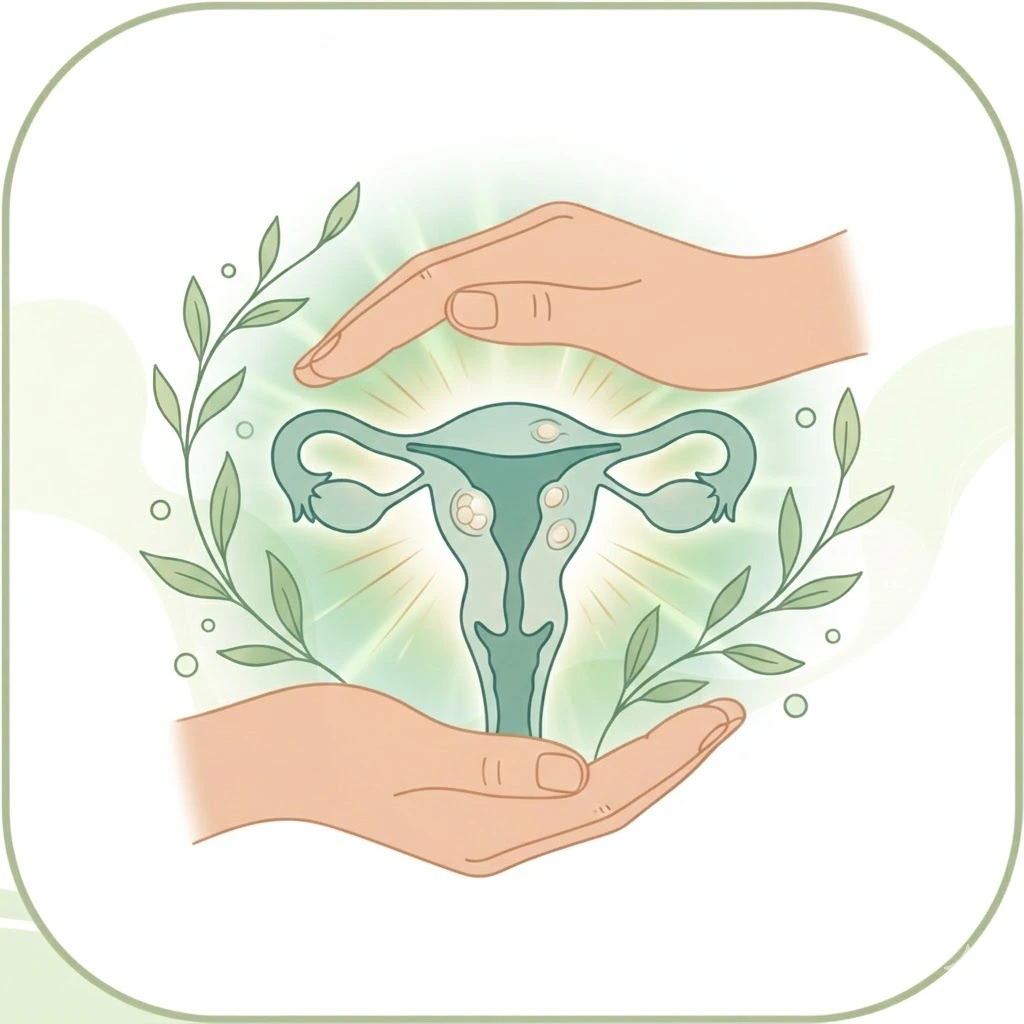
Uterine fibroids are benign muscle growths that develop in the wall of the uterus. Their size can vary from very small nodules to large masses that alter the shape of the uterus.
Fibroids may be located:
- Within the uterine wall
- Inside the uterine cavity
- On the outer surface of the uterus
The impact depends on size, number, and position.
Types Of Fibroids
Different types require different approaches. We offer specialized subserosal fibroid treatment (for outer growths), intramural fibroid treatment (within the muscle), and endometrial fibroid treatment (affecting the uterine lining) to ensure the best clinical outcome.
Common Fibroids Symptoms
Not all fibroids cause symptoms, but when they do, patients may notice:
- Excessive menstrual bleeding
- Periods lasting longer than usual
- Pelvic heaviness or fullness
- Lower back discomfort
- Frequent urination
- Pain during menstruation
- Difficulty becoming pregnant
Persistent symptoms should not be ignored.
How Fibroids Are Evaluated
Accurate diagnosis begins with clinical examination followed by ultrasound imaging to determine:
- Size and number of fibroids
- Exact location
- Effect on uterine cavity
- Associated complications
Blood tests may also be advised to check for anemia due to heavy bleeding.
Treatment decisions are guided by findings and patient needs.
Available Fibroids Treatment Approaches
The best treatment for fibroids depends on symptom severity, age, and fertility goals.
Fibroid Treatment Without Surgery
Many patients ask about new treatment for fibroids without surgery. Depending on your case, we may recommend hormonal medications or an alternative treatment for uterine fibroids, such as lifestyle changes. While foods for fibroids treatment (like green tea and fiber-rich meals) can support hormonal health, they are best used alongside medical management.
Medical Therapy
Hormonal medications may help reduce bleeding and temporarily control fibroid growth.
Minimally Invasive Procedures
Selected cases may benefit from uterus-preserving procedures.
Surgical Management
Best treatment for large fibroids: If fibroids are large, multiple, or causing severe symptoms, surgical removal (myomectomy) may be recommended while maintaining uterine structure when appropriate.
The aim is to choose the safest and most suitable approach for each patient.
Why Timely Fibroid Management Is Important
Delaying treatment can result in:
- Severe anemia
- Progressive enlargement of fibroids
- Increased pelvic discomfort
- Complicated future surgery
- Fertility challenges
Early intervention allows better outcomes and less invasive options.
What Makes Dr. Sajida Guftaar a Preferred Choice for Fibroids Treatment in Islamabad
• Experience in managing both small and complex fibroid cases
• Careful balance between conservative and surgical options
• Clear explanation of treatment pathways
• Diagnostic and surgical facilities at South East Hospital, Islamabad
• Emphasis on fertility preservation when desired
• Structured follow-up after treatment
Faq's
Can fibroids disappear on their own?
Small fibroids may remain stable or shrink after menopause, but symptomatic fibroids usually require treatment.
Do fibroids always require surgery?
No, Fibroid treatment without surgery is possible. Many fibroids can be managed medically depending on size and symptoms.
Can fibroids cause miscarriage?
Large fibroids affecting the uterine cavity may increase pregnancy risks in some cases.
Is fibroid treatment permanent?
Treatment controls existing fibroids, but new fibroids can develop in some women.
How often should fibroids be monitored?
Monitoring frequency depends on size and symptoms. Your doctor will recommend follow-up intervals.
What is the best treatment for fibroids?
There is no ‘one size fits all.’ The best treatment for fibroids is individualized based on whether you have subserosal, intramural, or endometrial types and whether you want to preserve fertility.
Consult for Fibroids Treatment in Islamabad
If you are experiencing heavy menstrual bleeding, pelvic pressure, or have been diagnosed with fibroids, early consultation allows safer and more effective management.
Appointments for fibroid evaluation and treatment in Islamabad can be arranged through the clinic. Timely medical guidance helps protect your health and future fertility.