
Beyond the Scale: What does living with PCOS look like?
When people talk about Polycystic Ovary Syndrome (PCOS), the conversation usually revolves around a predictable checklist of physical symptoms: irregular periods, stubborn weight gain, or acne. But if you are the one living with it, you know that a medical checklist doesn’t even begin to cover the actual reality.
Living with PCOS is an everyday journey of navigating a body that suddenly feels like it’s playing by an entirely different set of rules. From the morning fatigue that a cup of coffee can’t fix to the emotional toll of unpredictable physical changes, it is a complex condition that alters your daily routine.
In Pakistan, thousands of women quietly balance these challenges every single day. Understanding what living with PCOS really looks like—beyond just the superficial signs—is the first step toward reclaiming control over your body and your peace of mind.
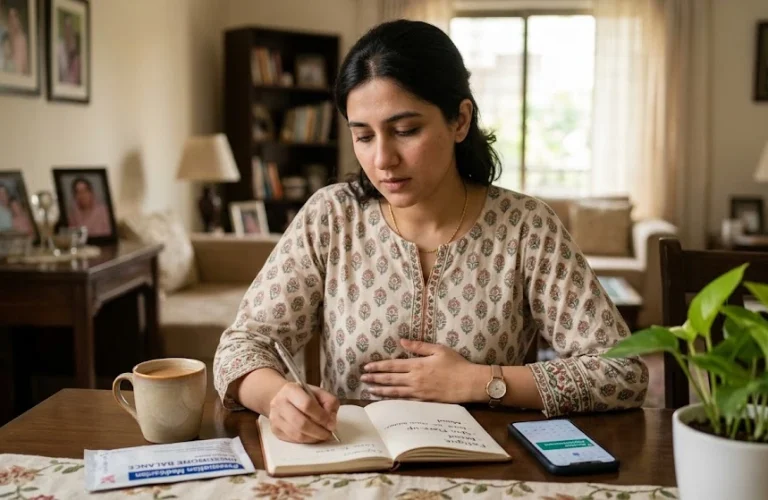
The Daily Reality: More Than Just a Physical Struggle
For many women, the true impact of PCOS is felt in how it alters daily energy levels, mood, and mental well-being. Because it is a systemic metabolic and hormonal imbalance, its effects ripple through your entire day.
The Chronic Fatigue Trap
You might sleep for eight full hours and still wake up feeling completely exhausted. This isn’t laziness; it is a direct byproduct of insulin resistance and hormonal fluctuations that disrupt how your body processes and utilizes energy.
The Emotional Rollercoaster
The constant shift in hormone levels—specifically the imbalance between estrogen, progesterone, and androgens—can trigger sudden mood swings, heightened anxiety, and unprovoked bouts of blues.
The Brain Fog
Finding it hard to focus during a university lecture or missing a beat during a work presentation? Chronic low-grade inflammation associated with PCOS frequently manifests as mental fatigue or “brain fog.”
Navigating the Physical and Social Challenges
Living with PCOS in our society brings unique social pressures. When your body undergoes changes that are difficult to hide, the mental weight can often feel heavier than the physical symptoms themselves.
Face and Body Changes
Dealing with severe cystic breakouts along the jawline or discovering coarse hair on your chin and chest (hirsutism) can deeply impact your self-confidence. Spending time and energy on constant grooming or covering up breakouts becomes an exhausting part of the morning routine.
The Frustration of Dieting Without Results
One of the most isolating aspects of living with the condition is the metabolic struggle. Due to altered metabolism, you might find yourself gaining weight while eating the exact same meals as your peers, or working out consistently without seeing the scale budge. It requires a specialized approach to nutrition rather than standard calorie-cutting.
How to Build a Sustainable PCOS Management Routine
While there is no overnight magic cure, living with PCOS does not mean living in a state of constant discomfort. Restoring your body’s harmony is entirely possible through sustainable, intentional adjustments to your daily life.
Shift to Whole Foods
Focus on a diet rich in fiber, lean proteins, and anti-inflammatory foods like leafy greens and healthy fats. This helps stabilize blood sugar levels and lowers the insulin spikes that drive weight gain.
Choose the Right Type of Exercise
Intense, exhausting cardio workouts can sometimes raise cortisol (stress hormone) levels, which can worsen symptoms. Instead, focus on strength training, brisk walking, or yoga to improve insulin sensitivity without overstressing your system.
Prioritize Sleep Hygiene
Getting consistent, deep sleep is vital for regulating cortisol and supporting a healthy hormonal imbalance treatment plan.
Why Expert Medical Support Changes Everything
Trying to manage PCOS purely through internet advice or generic wellness trends can leave you feeling frustrated and burnt out. Because the syndrome presents differently in every single individual, a generic approach rarely works.
Partnering with a specialist allows you to pinpoint exactly what your body needs through proper diagnostic tracking—whether that involves regulating your cycle, addressing metabolic markers, or protecting your long-term reproductive health and managing concerns regarding infertility. Professional guidance replaces guesswork with an actionable, personalized medical roadmap.
Faq's
How does PCOS affect daily energy levels?
PCOS directly impacts how your body handles insulin. When your cells resist insulin, your body struggles to convert food into usable energy efficiently, leading to chronic daytime fatigue and sudden energy crashes even if you are resting well.
Can lifestyle changes alone manage PCOS?
Lifestyle changes like dietary adjustments and targeted exercise form the foundation of managing the condition. However, depending on the severity of your symptoms and hormonal levels, medical therapies are often necessary alongside lifestyle shifts to achieve optimal results.
Why does PCOS cause sudden mood swings?
The irregular hormonal fluctuations especially elevated levels of androgens (male hormones) and cortisol directly impact neurotransmitters in the brain. This biochemical imbalance, combined with the stress of managing physical symptoms, makes women with PCOS more susceptible to anxiety and mood shifts.
Reclaim Your Health and Well-being
You do not have to navigate the exhausting ups and downs of hormonal imbalances on your own. Real relief starts with an accurate assessment and a strategy built specifically for your lifestyle.
Schedule a private, expert consultation with Dr. Sajida Guftaar in Islamabad today to build your personalized path back to health and hormonal clarity.