Is It Just Weight Gain or PCOS? 5 Hidden Signs You Shouldn’t Ignore
Managing your health can sometimes feel like solving a puzzle, especially when your body starts sending mixed signals. You might notice your weight creeping up despite eating well, or perhaps your skin is suddenly breaking out like it did during your teenage years.
While it is easy to blame these changes on stress or a poor routine, they are often the silent indicators of a very common hormonal condition: Polycystic Ovary Syndrome (PCOS).
In Pakistan, PCOS affects a significant number of young girls and women, yet it frequently goes undiagnosed because its early signs are mistaken for everyday lifestyle issues.
What Exactly is PCOS?
PCOS is not just a reproductive issue; it is a metabolic and hormonal imbalance. When a woman has PCOS, her ovaries produce slightly higher levels of male hormones (androgens) than normal. This hormonal disruption interferes with the regular development and release of eggs, leading to fluid-filled sacs (cysts) in the ovaries and a chain reaction of symptoms throughout the body.
5 Common PCOS Symptoms to Watch For
If you are experiencing a combination of the following signs, your body might be trying to tell you something more serious:
1. Irregular or Missed Periods
This is often the first and most prominent red flag. Your menstrual cycle might be highly unpredictable stretching longer than 35 days, arriving only a few times a year, or conversely, causing prolonged, heavy bleeding.
2. Stubborn Weight Gain (Especially Around the Belly)
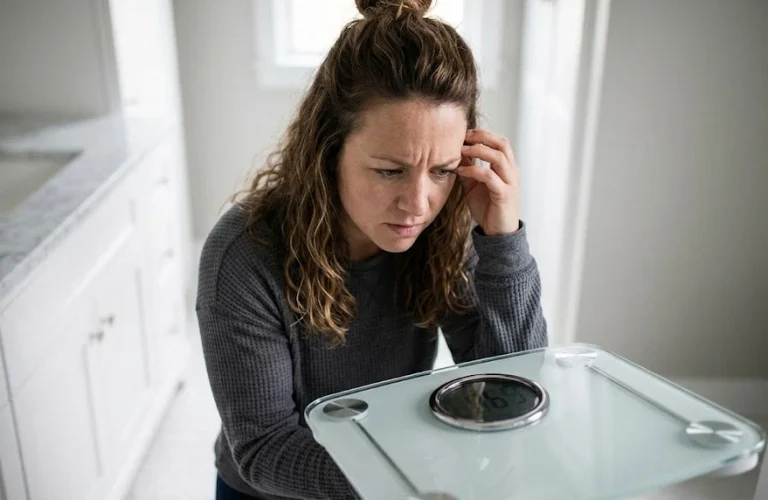
Have you noticed sudden weight gain that feels impossible to shed, even with diet and exercise? PCOS triggers insulin resistance, meaning your body struggles to convert glucose into energy. Instead, it stores it as fat, typically around the abdomen.
3. Unwanted Facial and Body Hair (Hirsutism)
Excess androgen levels can cause thick, dark hair growth in areas where men typically grow hair, such as the face, chin, chest, and lower stomach.
4. Severe Acne and Oily Skin
While occasional breakouts are normal, PCOS-related acne is often severe, painful, and deeply rooted under the skin (cystic acne). It usually clusters around the jawline, chin, and neck and resists standard over-the-counter acne treatments.
5. Thinning Hair on the Scalp
While you might notice extra hair on your face, the hair on your head might begin to thin out significantly, mimicking male-pattern baldness near the front of the scalp.
Why You Shouldn’t Ignore the Signs
Ignoring PCOS can lead to more than just frustration over breakouts or weight. Over time, unmanaged hormonal imbalances can increase the risk of long-term health complications, including:
Difficulty conceiving (Infertility)
Type 2 Diabetes
High blood pressure and cholesterol issues
Anxiety and mood swings
When to See a Specialist
The good news is that PCOS is highly manageable. You do not have to live with the discomfort or anxiety of unpredictable symptoms. If you recognize these signs in your daily life, the best step forward is a professional assessment.
Every woman’s body is unique, and PCOS presents differently in everyone. A tailored approach involving diagnostic tests, targeted medical care, and practical lifestyle adjustments can help restore your hormonal harmony.
Faq's
Can I get pregnant if I have PCOS
Yes, absolutely. While PCOS is a leading cause of irregular ovulation and can make conceiving more challenging, it does not mean you cannot get pregnant. With the right medical guidance—which may include lifestyle changes, weight management, or fertility medications—most women with PCOS successfully conceive. If you have been trying to conceive with PCOS without success, it is best to consult a fertility specialist for a tailored plan.
Is PCOS curable permanently?
There is currently no permanent cure for PCOS, but it is highly treatable and manageable. By focusing on a combination of lifestyle adjustments (such as a balanced diet and regular exercise) and targeted medical treatments to balance your hormones, you can completely eliminate symptoms, regulate your periods, and protect your long-term reproductive health.
What happens if PCOS is left untreated?
If left unmanaged, the chronic hormonal imbalances of PCOS can increase your risk of more serious health complications over time. These include insulin resistance leading to Type 2 diabetes, high blood pressure, cholesterol issues, sleep apnea, and a higher risk of endometrial thickening due to prolonged missed periods. Early intervention is key to preventing these risks.
How do doctors test for PCOS in Islamabad?
Diagnosing PCOS typically involves a combination of a detailed medical history review, blood tests to check your hormone and insulin levels, and a pelvic ultrasound to see if there are fluid-filled sacs (cysts) on your ovaries. At our clinic in Islamabad, we look at the complete picture of your symptoms to give you an accurate diagnosis and a personalized treatment roadmap.
Take Control of Your Hormonal Health
If you are struggling with irregular cycles or unexplained body changes, don’t wait out the worry. Book a private consultation with Dr. Sajida Guftaar in Islamabad today to get a clear, personalized roadmap back to wellness.